Gas Line Capping in Fort Lauderdale, FL
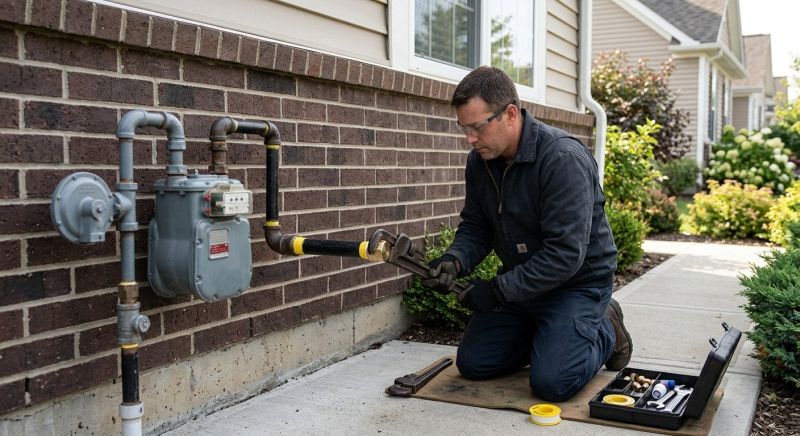
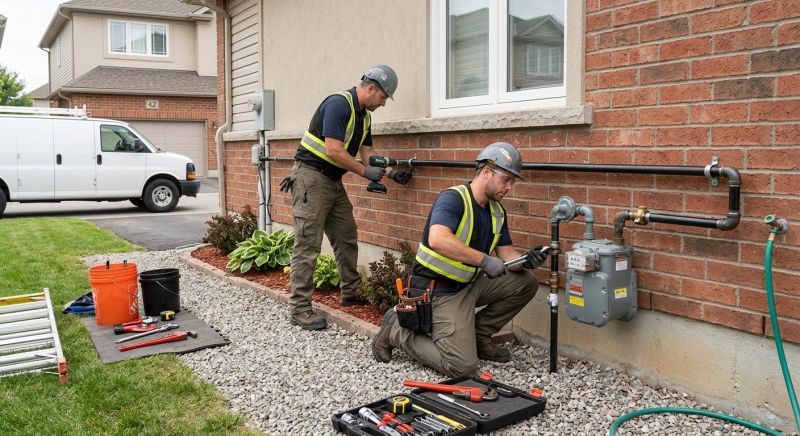
Gas line capping services involve securely sealing off existing gas lines to prevent leaks, ensure safety, and accommodate various property projects. These services are commonly requested during home renovations, appliance upgrades, or when gas lines are no longer in use. Property owners should understand that capping involves attaching a specialized fitting to the gas line to stop the flow of gas, which can be essential for safely removing appliances, repurposing spaces, or preparing for future construction work.
Before requesting gas line capping, property owners often want to know about the scope of the project, including the location and length of the gas line, as well as any permits or safety considerations required in the area. It’s also important to clarify whether the work involves only capping or if additional modifications are needed. Proper assessment helps ensure the capping process is performed safely and in compliance with local regulations, providing peace of mind during property upgrades or changes.
Many property owners in Fort Lauderdale, FL look into Gas Line Capping for repairs, replacements, upgrades, and appearance-related improvements.
Gas Line Capping Services
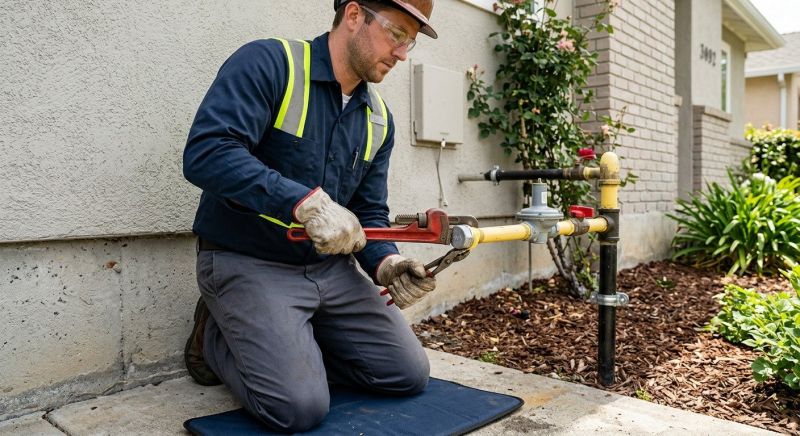
Examples of gas line capping work property owners may explore in fort lauderdale, fl.
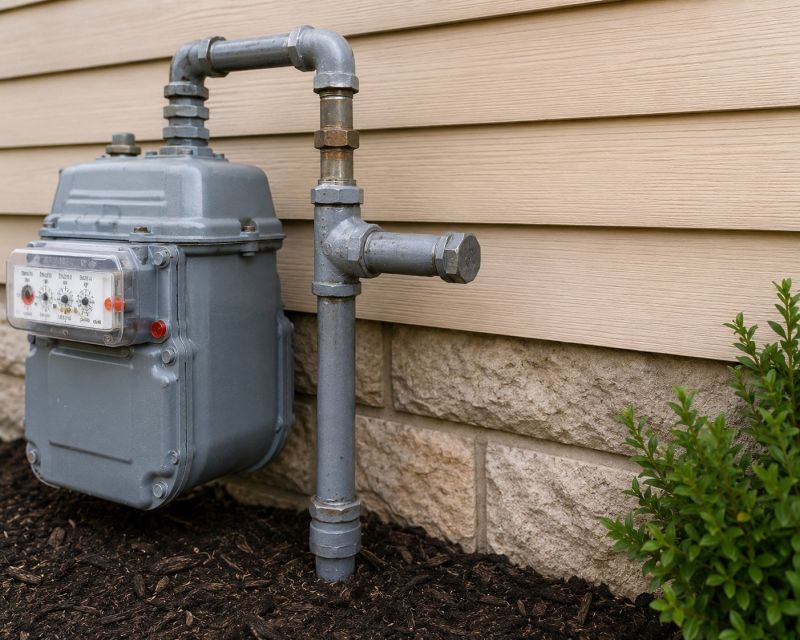
Gas Line Capping Updates
Common ways people refresh, improve, or restore gas line capping features in fort lauderdale, fl.
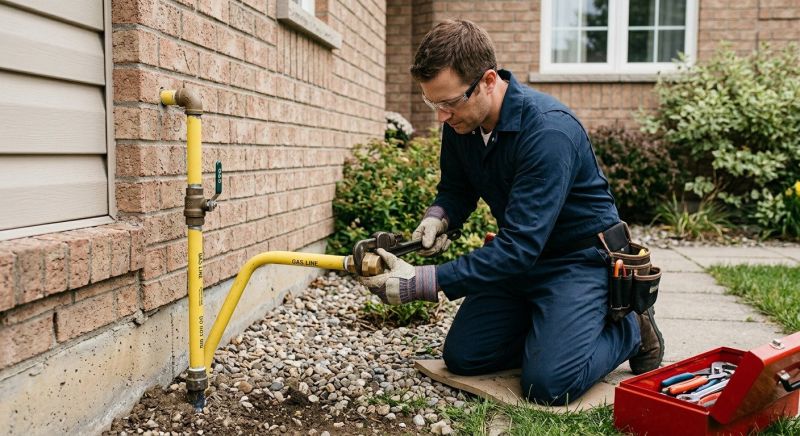
Gas Line Capping Options
Different styles, layouts, and finishes people consider for gas line capping in fort lauderdale, fl.
Gas Line Capping in Fort Lauderdale, FL
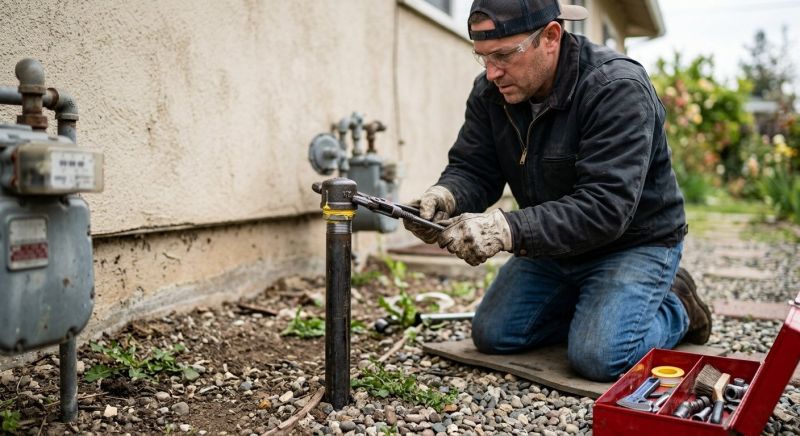
Gas line capping services involve securely sealing off existing gas lines to prevent leaks, ensure safety, and accommodate various property projects. These services are commonly requested during home renovations, appliance upgrades, or when gas lines are no longer in use. Property owners should understand that capping involves attaching a specialized fitting to the gas line to stop the flow of gas, which can be essential for safely removing appliances, repurposing spaces, or preparing for future construction work.
Before requesting gas line capping, property owners often want to know about the scope of the project, including the location and length of the gas line, as well as any permits or safety considerations required in the area. It’s also important to clarify whether the work involves only capping or if additional modifications are needed. Proper assessment helps ensure the capping process is performed safely and in compliance with local regulations, providing peace of mind during property upgrades or changes.
Many property owners in Fort Lauderdale, FL look into Gas Line Capping for repairs, replacements, upgrades, and appearance-related improvements.
Common Gas Line Capping Jobs
Gas Line Capping - Seals off unused or abandoned gas lines to prevent leaks.
Property Renovations - Ensures safe disconnection of gas lines during remodeling projects.
Hazard Prevention - Eliminates potential gas leaks in aging or damaged piping systems.
Property Abandonment - Caps gas lines when properties are vacant or no longer in use.
Emergency Work - Provides quick sealing of gas lines in case of suspected leaks or damage.
Inspection & Testing - Verifies proper sealing and safety of capped gas lines.
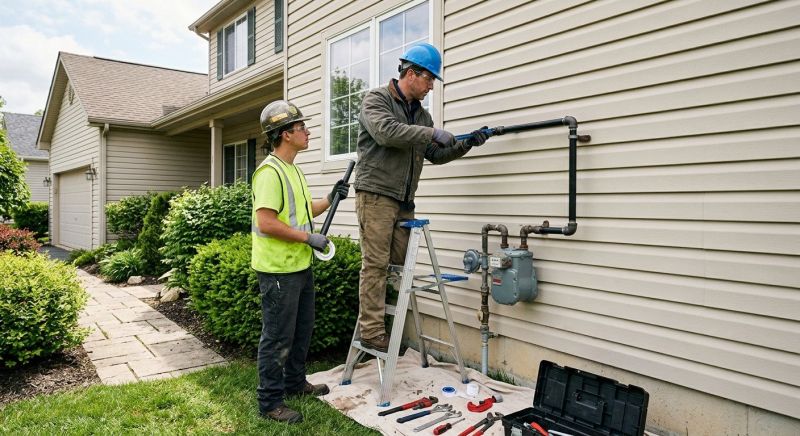
Gas Line Capping Questions
What is gas line capping? Gas line capping involves sealing off an unused or disconnected gas line to prevent leaks and ensure safety.
When should a gas line be capped? A gas line should be capped when a property is undergoing renovations, has an unused appliance, or is being prepared for sale.
Is gas line capping safe for homeowners? Yes, properly capped gas lines reduce the risk of leaks and are a standard safety measure during property changes.
What types of properties typically require gas line capping? Residential homes, commercial buildings, and rental properties often need gas line capping during renovations or upgrades.
Request Gas Line Capping in Fort Lauderdale, FL
Use the quote form on this page to share the basics of your project and request more information for the type of work you need.